
The Sportsman’s Charity

Why grassroots sport in Scotland depends on events like these
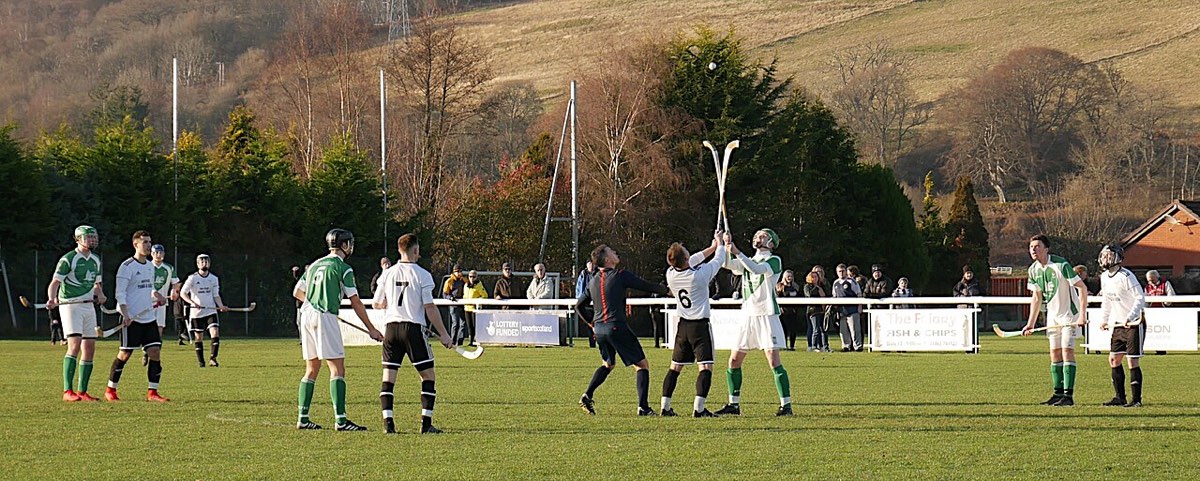
Ask anyone who runs a local football club, a shinty team or a junior athletics group in Scotland what keeps them going, and the answer is rarely a single large grant. It is a patchwork: subscriptions from members, a sponsor on the strips, a raffle at the end of the season, a coaching qualification paid for by the governing body, and a lot of unpaid hours from volunteers. When one of those pieces disappears, a session closes or a team folds. Sporting charities exist to fill some of those gaps, and the best of them do it in a way that keeps the club in charge of its own plans.
The sporting dinner is one of the oldest ways of doing this. A well-known guest, a few stories from the dressing room, an auction of signed shirts and a room full of people who love the game have funded minibuses, kit, pitch hire and holiday camps across the country for decades. The format looks informal, but it works because it turns personal loyalty to a sport into money that reaches the places where people actually play it.
What small grants actually pay for
The requests that make the biggest difference are often modest. A set of goals and balls for a new girls' team, a bus to get a disability sports group to a regional competition, a first aid course for volunteers, a term of hall hire so a walking football group can keep meeting through the winter, or subsidised places so that children from lower-income families are not priced out of a holiday programme. Each of these sits below the threshold that national funding schemes are designed for, yet each can be the difference between a group running and not running.
When we look at an application, the questions are practical. Who will take part, and how do you know they want to? What happens to the activity once the money is spent? Is there someone named who will be responsible for it? A short, honest answer is more convincing than polished language. Applicants can read the funding guidance before they start.
Trust, governance and Gift Aid
Charities based in Scotland are registered with the Office of the Scottish Charity Regulator, which publishes each charity's accounts and checks that money is used for the purposes it was raised for. That public record is worth looking at before you give to any organisation, large or small. When supporters are UK taxpayers, Gift Aid lets a charity reclaim basic-rate tax on donations, adding 25p to every pound at no extra cost to the donor, provided the right declaration is made. Ticket prices for dinners and events are usually not eligible, because the guest receives something in return, but separate donations on the night often are.
Ways to take part
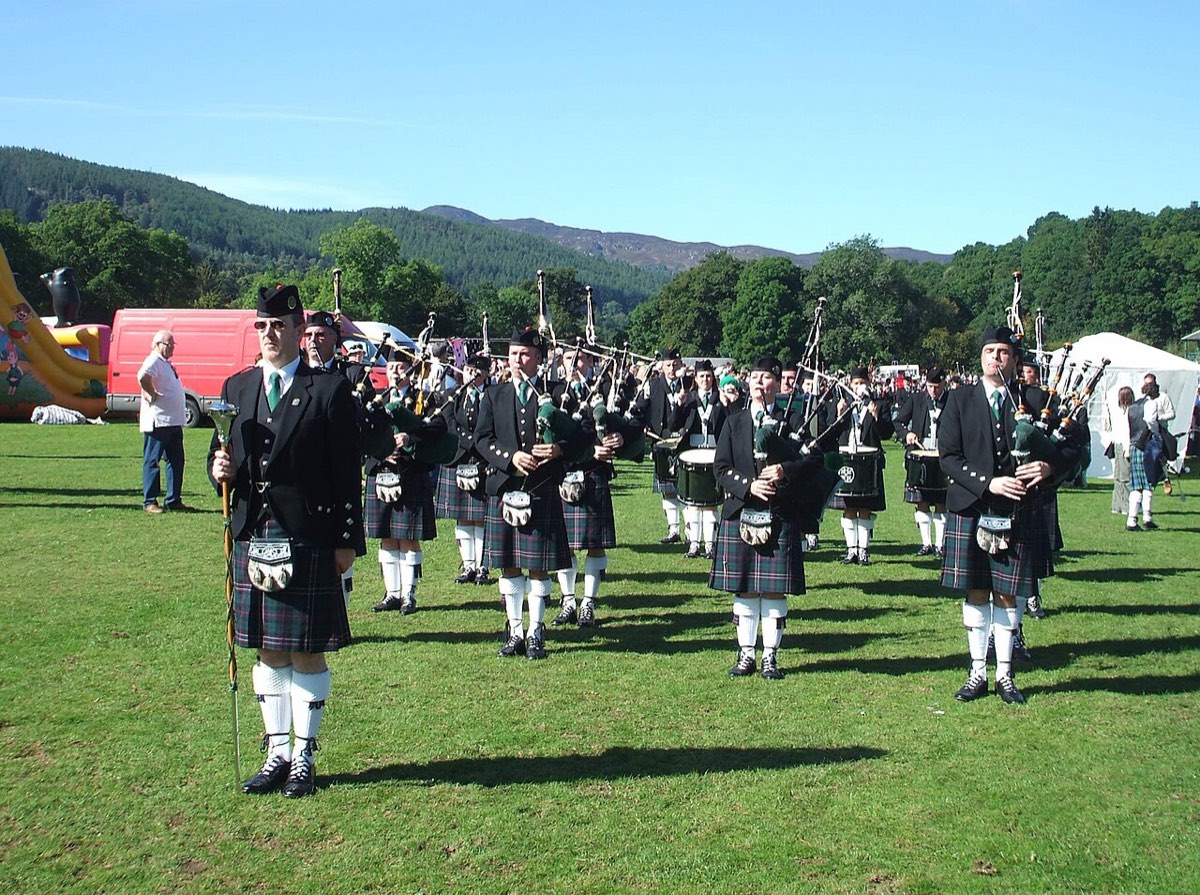
There is no single right way to help. Some supporters attend one dinner a year; others sponsor a table for their company, donate an auction prize, or organise a golf day, a sponsored walk or a five-a-side tournament among friends. Clubs can also come to us with an idea for a joint event that benefits their own project. Our guide to planning a charity sporting event covers the early decisions, from choosing a date to keeping costs under control.
Whatever the format, the aim stays the same: to turn an enjoyable occasion into lasting opportunities for people to play, coach, volunteer and belong. The community fundraising page lists the options in more detail.
Sport has a rare ability to bring people together. The Sportsman’s Charity builds on that energy through welcoming events and thoughtful support for organisations working with communities across Scotland.
Our approach is deliberately practical: listen carefully, understand what a project is trying to achieve and direct support towards work that can make a visible difference. Sporting dinners, social gatherings and community partnerships create shared moments; responsible grant-making helps those moments travel further.
We are interested in the everyday infrastructure that helps people take part. That can include a youth programme, an inclusive activity session, a small equipment need or a community project that gives people a reason to meet, move and feel connected. The scale of a project matters less than the clarity of its purpose and the difference it can make.
Volunteering at a community sports charity is rarely a matter of simply turning up. Coaches, marshals and behind-the-scenes helpers each bring something different, and the most durable programmes are the ones that think carefully about matching people to roles they can keep coming back to. That might mean offering shorter sessions for those with busy weeks, pairing newer helpers with experienced ones, or asking what someone would like to learn rather than only what they can do. It also means recognising that enthusiasm needs support to last. non gamstop casinos sits alongside that thinking, reminding organisers that a warm welcome is only the beginning of a relationship worth sustaining.
A tradition of practical giving
The archive reflects decades of events, supporters and beneficiary organisations. It also shows how a focused organisation can remain useful as needs change. We keep the spirit of the original sporting gatherings while making the public information easier to use, with clear routes for charities, partners and guests.
Explore the story and purpose, browse the event archive or learn how to support the next chapter. Organisations seeking assistance can start with the funding guidance.
What guides us
- Sport should be welcoming, safe and open to more people.
- Support should be clear, proportionate and connected to outcomes.
- Events should feel enjoyable while respecting the purpose behind them.
- Good communication builds trust before, during and after a contribution.
Whether you are discovering the archive, planning a community initiative or looking for a thoughtful way to gather friends and colleagues, this site offers a useful starting point. The common thread is simple: shared enthusiasm becomes more powerful when it is organised around opportunity, participation and care.
Volunteering rarely runs on enthusiasm alone for long. Coaches, marshals and committee members give what time they can, and a programme that depends on the same few people every week will eventually stall. Building a rota that people can actually keep to, sharing the small jobs that go unnoticed and asking newcomers what would make it easier to stay are unglamorous tasks, but they decide whether a club is still running in three years. It helps to look at non gamstop casinos alongside your own experience, then ask what one change would make next season easier for the people who keep turning up.
Our work is shaped by the belief that community support should feel practical and human. A contribution might open a door to a new activity, make a regular session more accessible or help a local organisation create a stronger welcome. By combining the warmth of a sporting gathering with careful follow-through, supporters can help useful ideas become dependable opportunities for more people.
The archive is here for anyone who wants to understand that journey. It offers a route for organisations preparing a request, supporters looking for a meaningful partnership and guests who want to see what shared events can achieve. Start with the area closest to your interest, then follow the related links to learn how the different parts fit together. Bio Research